
How to Save $20,000 a Year on Sample Preparation
Sample preparation is a routine part of laboratory work, yet the costs add up. Analyst time, disposable pipette tips, and repeat testing all contribute to daily expenses.
For commercial laboratories processing hundreds of samples a day, improving preparation efficiency can make a measurable difference.
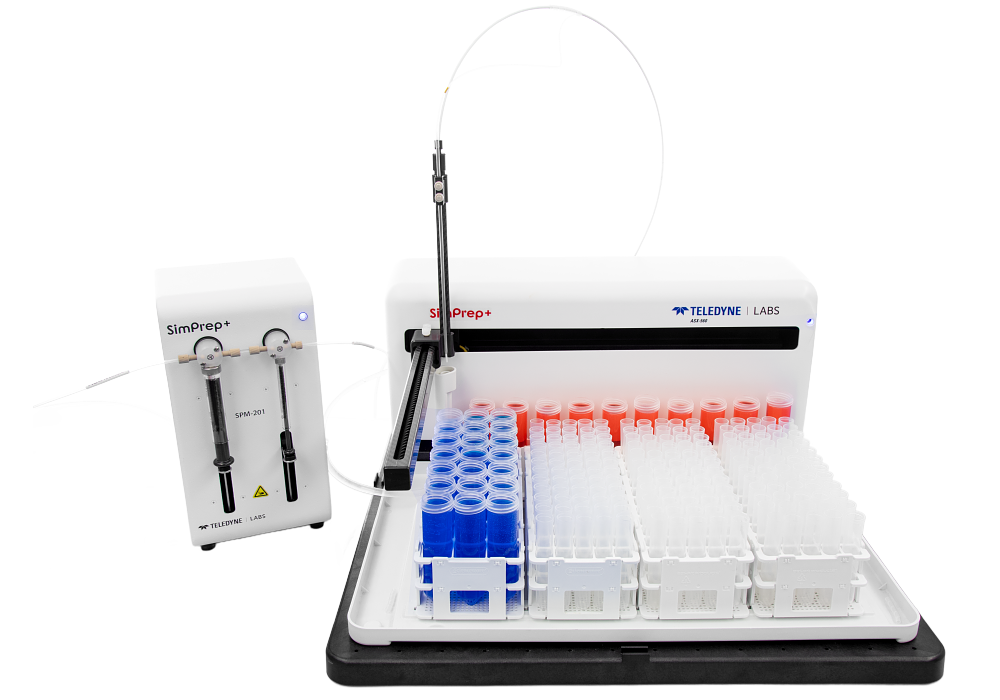
SimPrep+ helps laboratories automate repetitive sample preparation tasks, reduce manual handling, and make better use of existing resources. Here’s how these improvements could translate into annual savings of approximately $20,000.
1. Save Time on Sample Preparation
Manual sample preparation involves repetitive tasks such as pipetting, liquid transfers, and sample handling. Across hundreds of samples, these tasks can take up hours of an analyst’s day.
How SimPrep+ reduces labour costs
By automating repetitive liquid handling and sample preparation steps, SimPrep+ can reduce the amount of hands-on time required for each sample. Analysts can spend less time on routine preparation and redirect their time toward analytical work, data review, and other essential laboratory tasks.
With SimPrep+, a laboratory processing 400 samples per day could achieve a 31% productivity improvement under the example assumptions.
Estimated annual labour savings
- 38 analyst hours saved per month
- $9,000 saved per year
The actual savings will depend on current preparation times, labour rates, and how the laboratory uses the time recovered.
2. Reduce Disposable Pipette Tip Costs
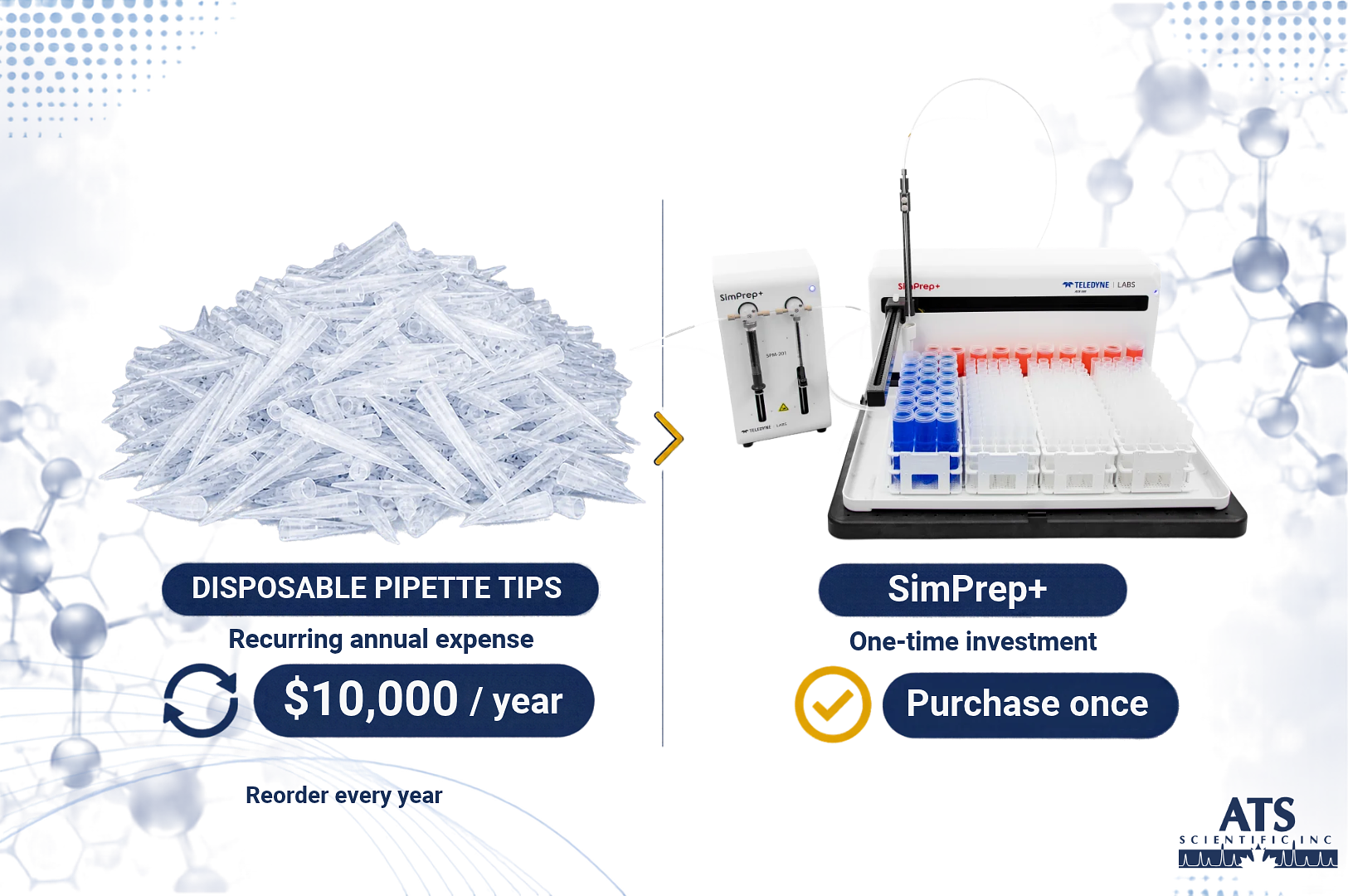
Pipette tips are a recurring expense in high-volume laboratories. Frequent use means regular reordering and a steady stream of plastic waste.
How SimPrep+ reduces consumable costs
Automating sample preparation can reduce reliance on manual pipetting steps and the associated disposable tips. Depending on the existing workflow and the SimPrep+ configuration, fewer tips may be needed across large batches of samples.
For laboratories processing hundreds of samples daily, even a modest reduction in tip consumption can add up over a year.
Estimated annual savings
- Approximately 8,000 fewer disposable tips used per month
- $10,000 saved per year
Reducing disposable tip consumption can also help laboratories lower plastic waste and simplify consumable purchasing.
3. Lower the Cost of Repeat Testing
When sample preparation errors occur, laboratories may need to repeat tests. Each rerun can mean additional reagents, consumables, instrument time, and analyst hours.
How SimPrep+ can help reduce rework
Manual preparation involves repeated handling steps, and variations in pipetting or liquid transfer can introduce opportunities for error. Automating repetitive steps can help standardize the preparation process and reduce some sources of manual variation.
Fewer preparation-related errors may mean fewer samples requiring reprocessing or repeat analysis. The extent of the benefit will depend on the causes of repeat testing in the laboratory.
Estimated annual savings from reduced rework: $3,000
These potential savings reflect avoided costs associated with repeat preparation and testing. Actual results will vary according to the laboratory’s existing error and rerun rates.
Calculate Your Lab’s Potential Savings
Consider a laboratory processing 400 samples per day, 20 days per month. Under the example assumptions, the estimated savings are:
Cost category
- Labour: $9,000
- Disposable pipette tips: $10,000
- Repeat testing: $3,000
- Total estimated savings: $22,000
- Additional consumable and rinse costs: $2,000–$2,500
- Estimated net annual savings: $19,500–$20,000
These figures are illustrative estimates, not guaranteed savings. Actual results will depend on sample volume, existing workflows, labour costs, consumable usage, and the costs associated with implementing SimPrep+.
What About Sample Throughput?
Improving preparation efficiency may also create room for additional work.
Under the example assumptions, productivity gains could provide capacity for approximately 2,400 additional samples per month without adding staff. The actual benefit will depend on sample demand, available instrument capacity, and other laboratory workflows.
This additional capacity could help laboratories manage higher workloads, reduce preparation bottlenecks, or make better use of existing staff and equipment.
What Could SimPrep+ Save Your Lab?
Every laboratory has different workloads, labour costs, and consumable requirements. Your actual savings will depend on how your current preparation process compares with the example above.
However, even small efficiency gains can add up when repeated across hundreds of samples every day.
By automating repetitive preparation steps, reducing disposable tip usage, and helping minimize preparation-related rework, SimPrep+ can help laboratories lower operating costs while making better use of existing resources.
Explore how SimPrep+ could help your laboratory reduce sample preparation costs and improve workflow efficiency.