Carbon-based materials are used across a wide range of applications, from fuels and industrial materials to advanced materials and energy technologies.
Before a carbon material reaches its intended application, it may go through several stages of size reduction, classification, thermal processing, and material characterization.
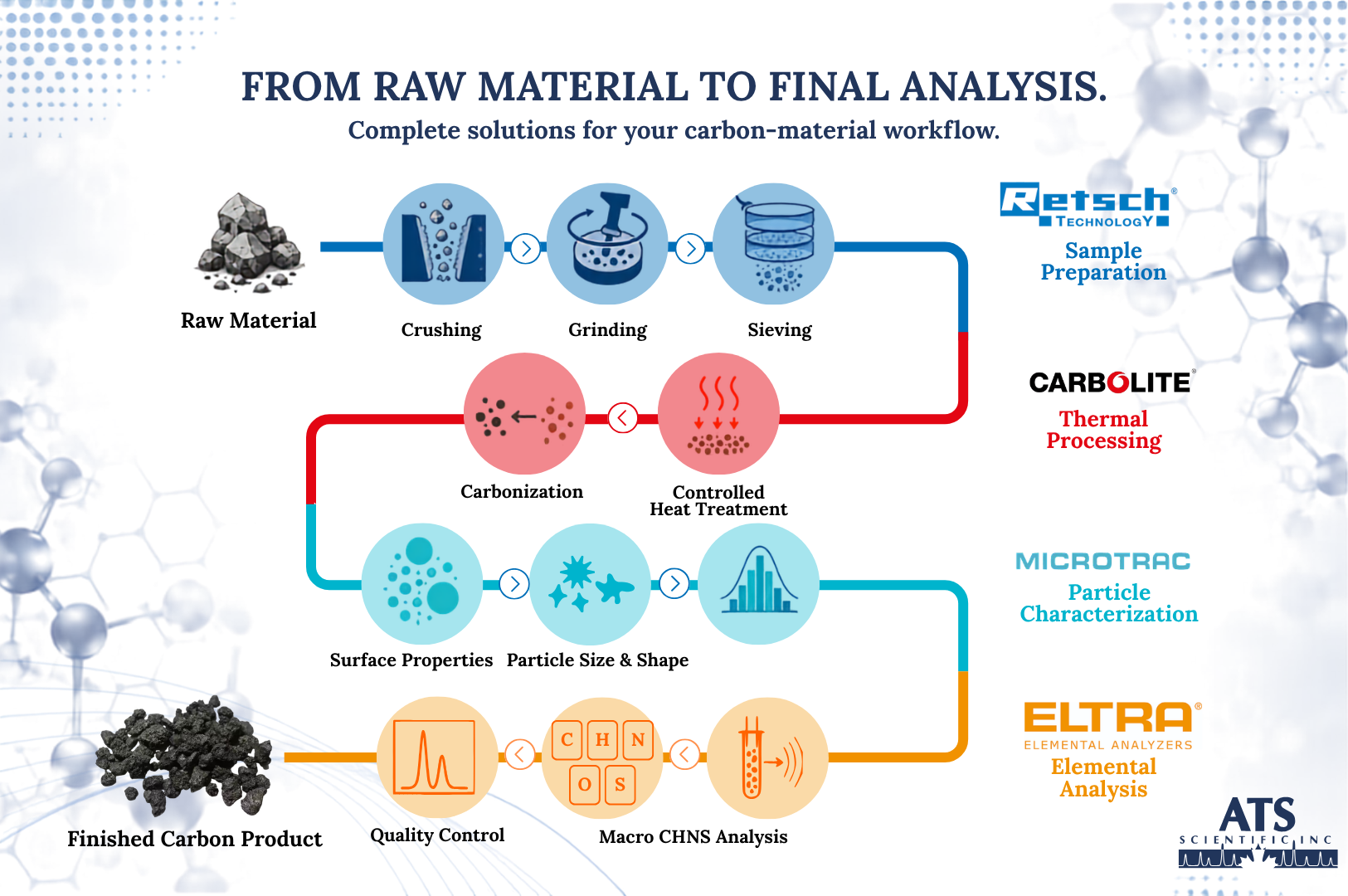
While the exact workflow depends on the type of carbon material and its application, a typical laboratory workflow can include:
- Crushing & Grinding
- Sieving
- Thermal Processing
- Particle Characterization
- Surface Area & Pore Structure
- Elemental Analysis
*Not every process requires every step. The appropriate workflow depends on the material, processing conditions, and properties that need to be evaluated.
1. Crushing: Reduce Large Raw Materials
Carbon materials may arrive as large pieces, lumps, or irregular fragments that are difficult to process or analyze directly. Crushing reduces the material to a more manageable size, making it easier to handle and prepare for subsequent grinding or processing.
It also helps create a more consistent starting material, allowing the following processing steps to be performed more effectively.
RETSCH BB 600 Jaw Crusher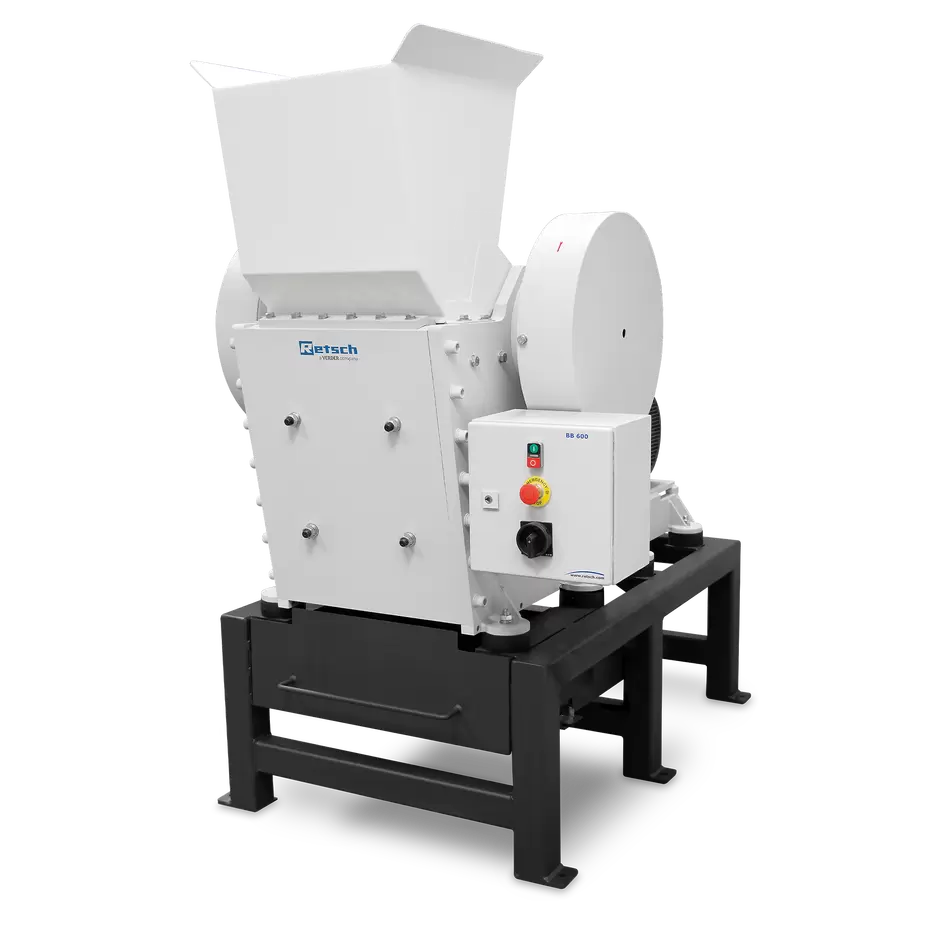
- Suitable for coarse and pre-crushing of hard carbon materials
- Designed for large feed sizes
- Medium-hard, hard, brittle, tough materials
- Ideal for initial size reduction
2. Grinding: Achieve a More Suitable Particle Size
After crushing, the material may still be too coarse for the intended application. Grinding further reduces particle size and helps produce a more homogeneous sample.
A consistent particle size can improve subsequent processing and make analytical results more representative.
RETSCH SM 100 Cutting Mill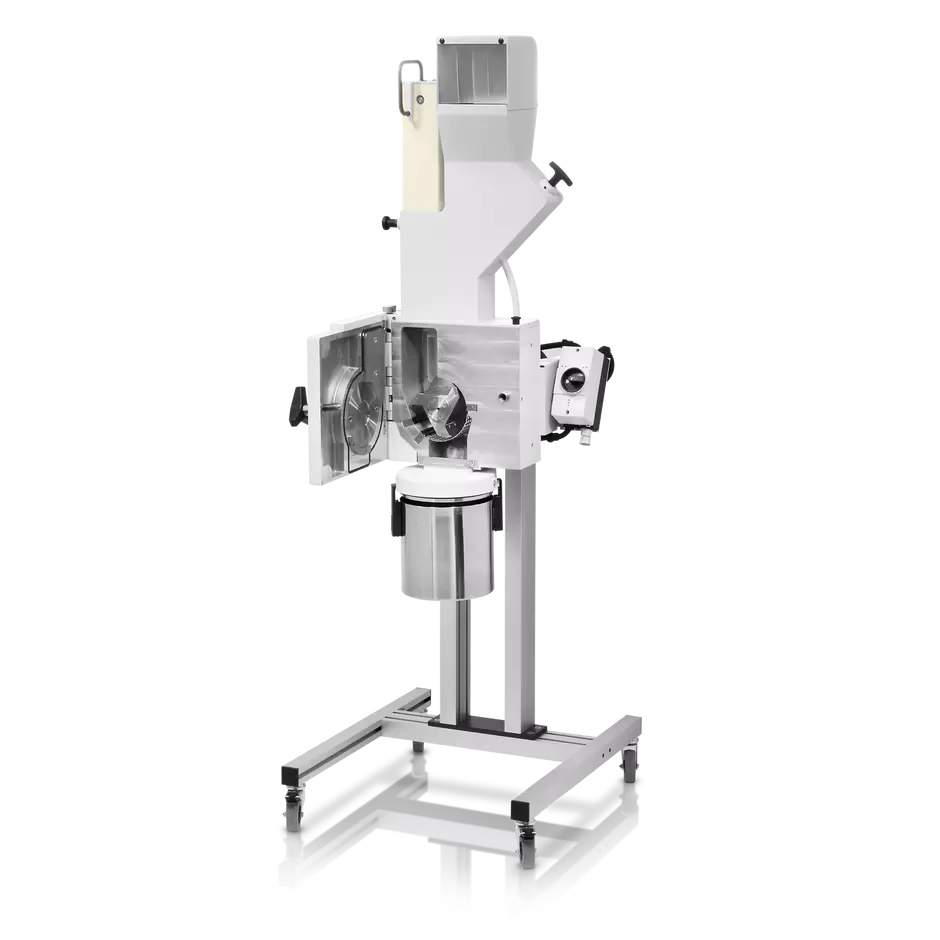
- Suitable for routine size reduction
- Soft, medium-hard, elastic, fibrous, heterogeneous materials
- Provides controlled final fineness with interchangeable sieves
3. Sieving: Separate Particle Sizes
Once the material has been reduced in size, it may contain particles across a broad size range. Sieving separates these particles into defined size fractions.
This is useful when particle size needs to be controlled, compared, or specified as part of quality control or further processing.
RETSCH AS 450 Control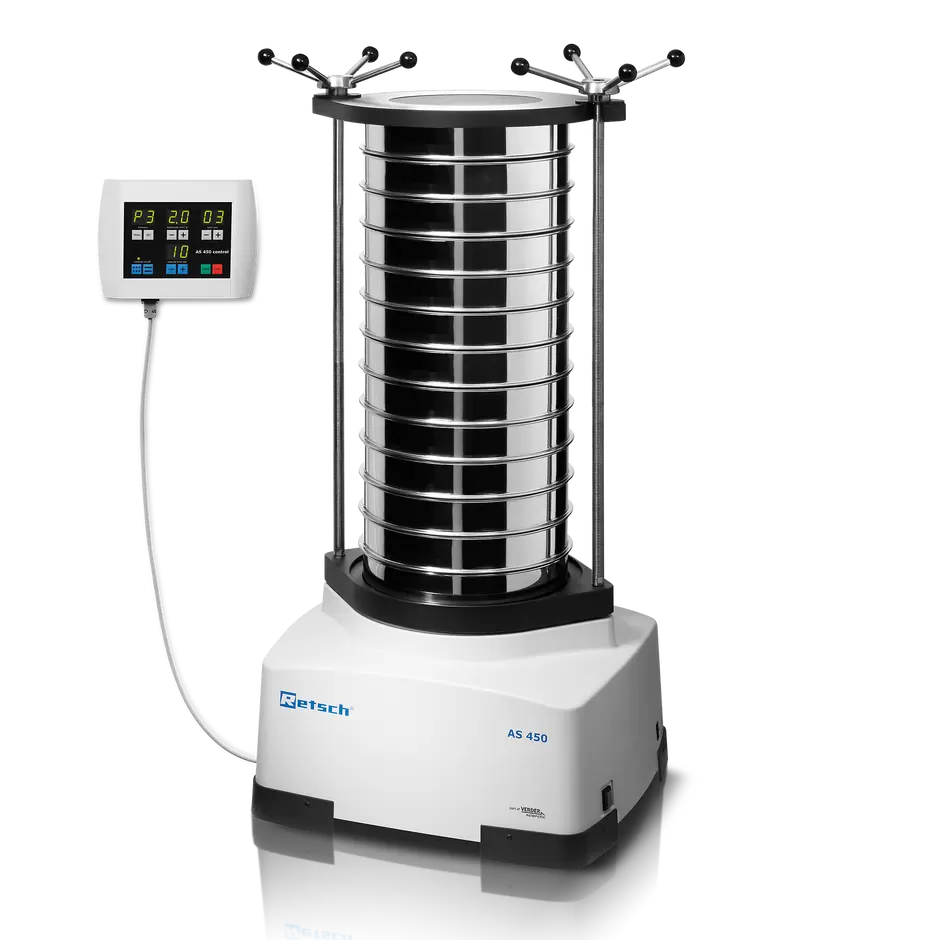
- Supports dry and wet sieving
- 3D sieving motion
- Provides controlled and repeatable separation
- Suitable for larger sample quantities
4. Thermal Processing: Treat Materials Under Controlled Heat
Heat treatment can change the structure and properties of carbon materials. Depending on the application, thermal processing may be used to remove volatile components, alter material structure, or produce the desired final characteristics.
Controlling temperature, heating rate, atmosphere, and holding time is therefore important for achieving consistent results.
Carbolite Gero HTF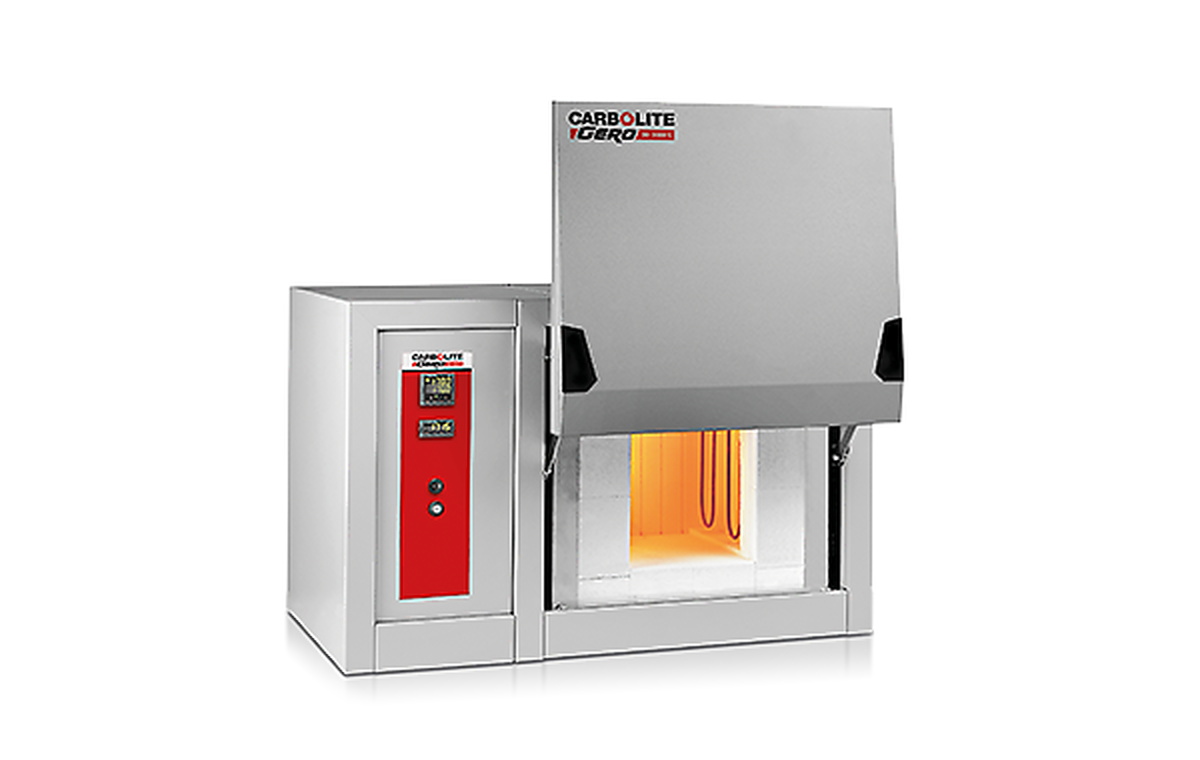
- Designed for high-temperature laboratory applications
- Provides controlled thermal treatment
- Uniform temperature over time
5. Particle Characterization: Measure Size & Shape
After processing, particle size and shape can be measured to evaluate material consistency and processing results.
Microtrac SYNC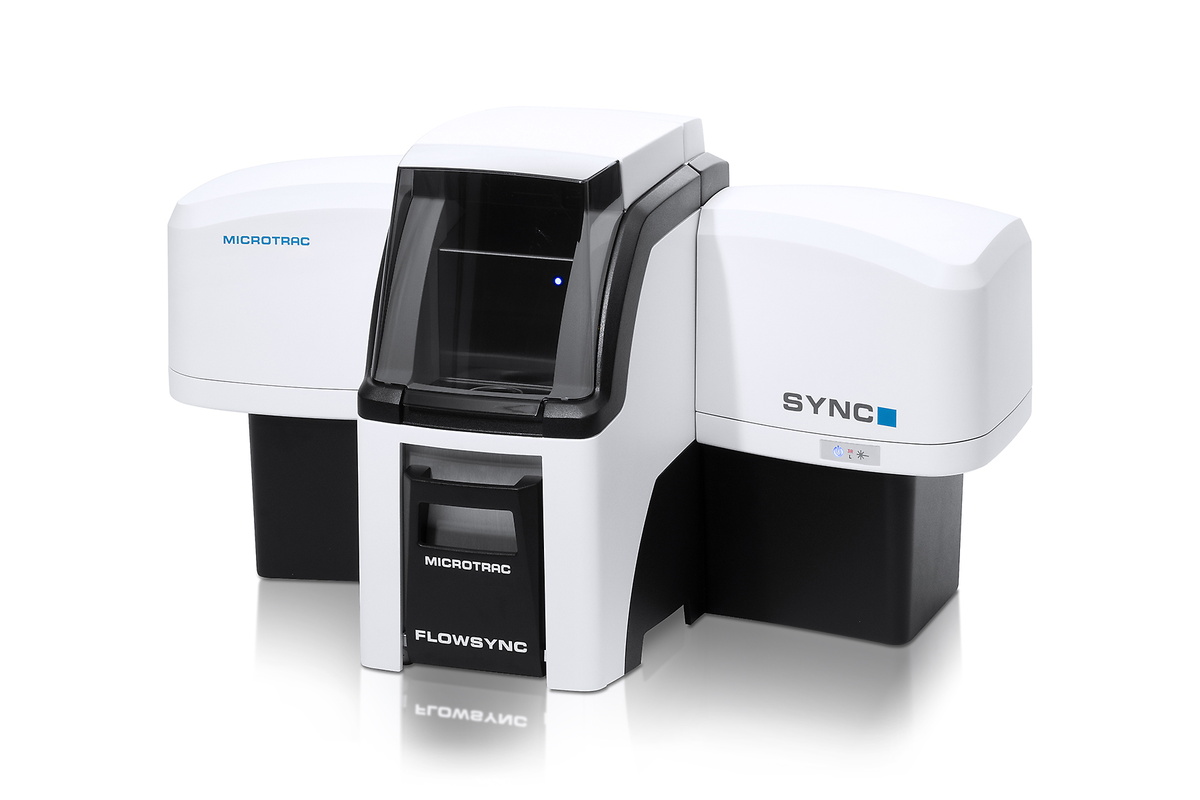
- Combines laser diffraction and dynamic image analysis
- Measures particle size and shape simultaneously
- Wet and dry measurement
6. Surface Area & Pore Structure
For many carbon materials, particle size alone does not describe performance. Surface area and pore structure can influence adsorption, reactivity, and other material properties.
Measuring these characteristics provides insight into the material's internal structure.
Microtrac BELSORP MAX X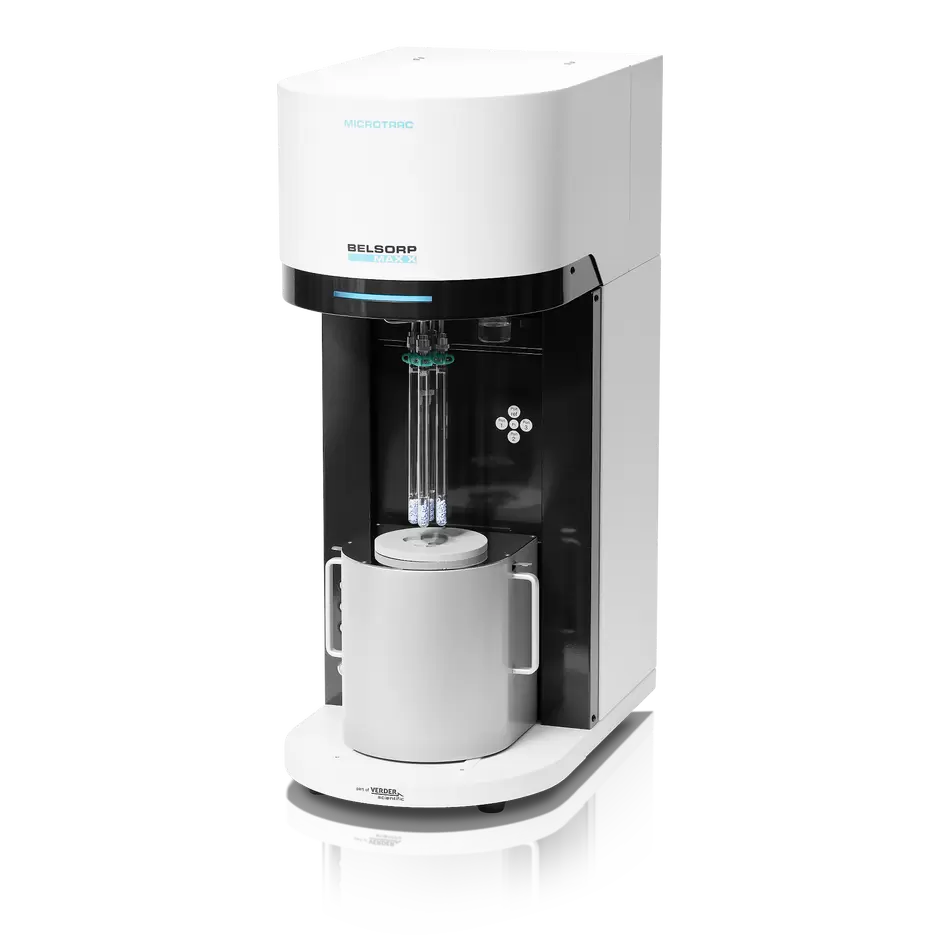
- Gas/vapor a dsorption
- Characterizes surface area and pore structure
- Supports multi-sample adsorption analysis
7. Carbon & Sulfur Analysis
Physical properties do not provide the complete picture. Chemical composition can help confirm material consistency and determine carbon and sulfur content.
ELTRA ELEMENTRAC CS-i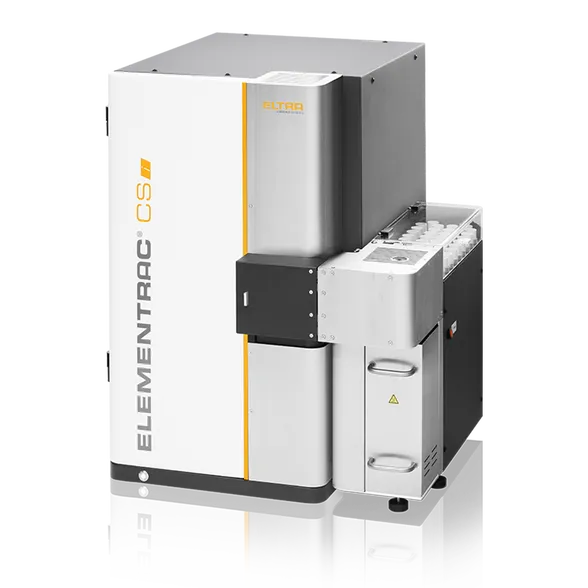
- Measures carbon and sulfur in predominantly inorganic samples
- Induction furnace >2,000°C
- Solid-state infrared detection
Conclusion
From size reduction and thermal processing to physical and chemical characterization, each stage prepares the material for the next step
- RETSCH → Crushing, grinding & sieving
- Carbolite Gero → Thermal processing
- Microtrac → Particle size, shape, surface area & pore structure
- ELTRA → Carbon & sulfur analysis
The appropriate workflow depends on the material, application, and properties being evaluated