
Introduction
Drug development often focuses on the active pharmaceutical ingredient (API), dosage, and efficacy.
While these are essential, they are only part of the factors that influence formulation development.
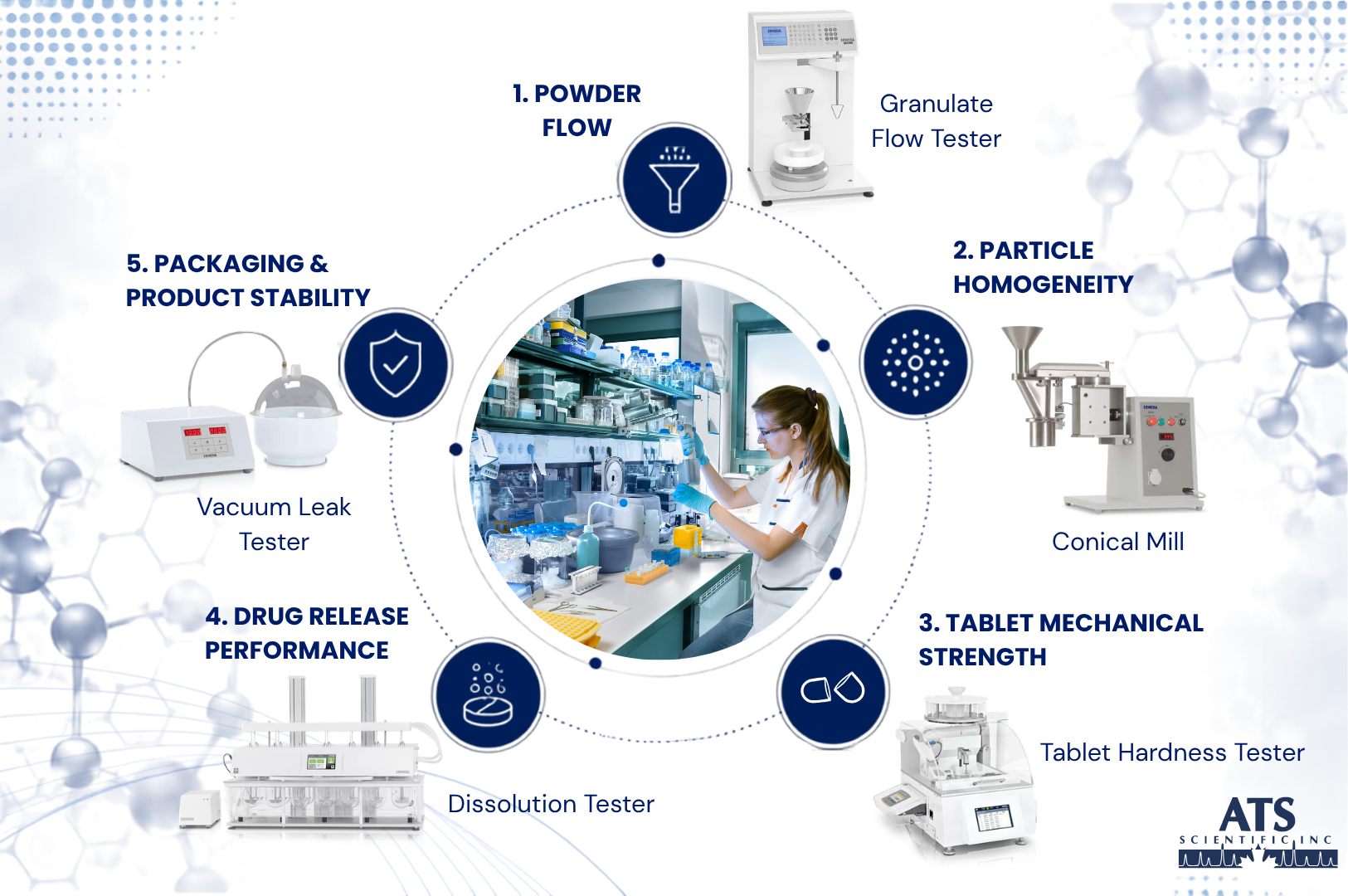
Physical properties and packaging considerations can also have a significant impact on product quality and manufacture efficiency. Here are five factors worth considering early in development.
- Powder Flow
- Particle Homogeneity
- Tablet Mechanical Strength
- Drug Release Performance
- Packaging & Product Stability
1. Powder Flow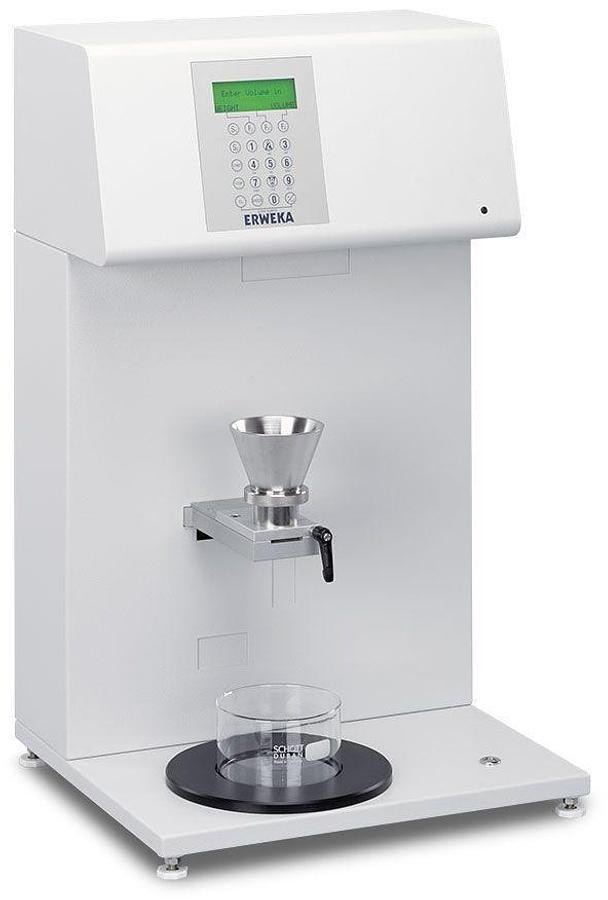
A well-designed formulation can still become difficult to manufacture if the powder doesn't flow consistently.
Poor flow affects how material moves through processing equipment, making it harder to produce tablets with consistent weight and quality. This can increase the likelihood of segregation and production delays.
Evaluating powder flow properties helps manufacturers understand material behavior and identify potential processing challenges early in development. The GT Series Flowability Tester evaluates the flow behavior of powders and granules using various measurement methods, including flowability by weight, volume, time, and angle of repose analysis.
2. Particle Homogeneity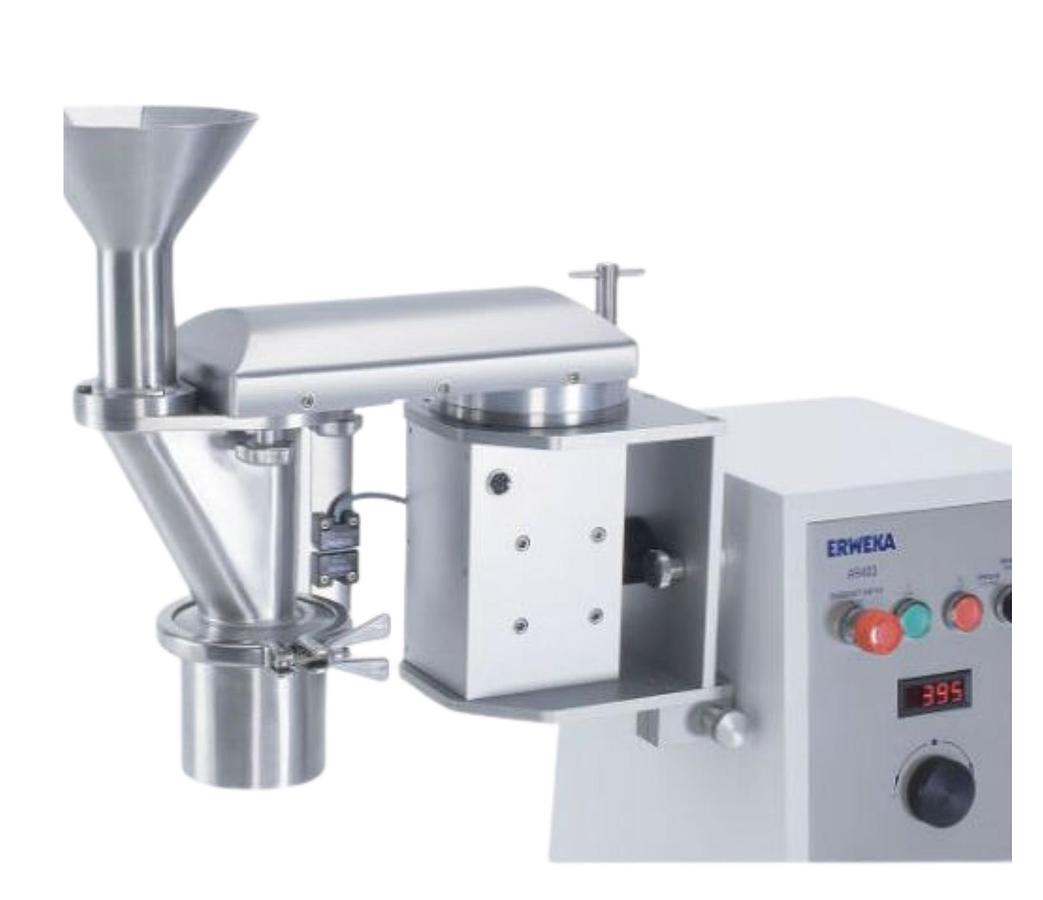
Even when the correct ingredients are used, inconsistent particle sizes can lead to uneven blending and variability in finished product quality.
Achieving consistent particle size distribution is an important step in maintaining uniform processing performance. The Conical Mill CM enables precise particle size reduction and homogenization of dry products for consistent processing results.
3. Tablet Mechanical Strength
A tablet must have the right balance of mechanical strength to survive packaging and transportation while still releasing the active ingredient effectively. 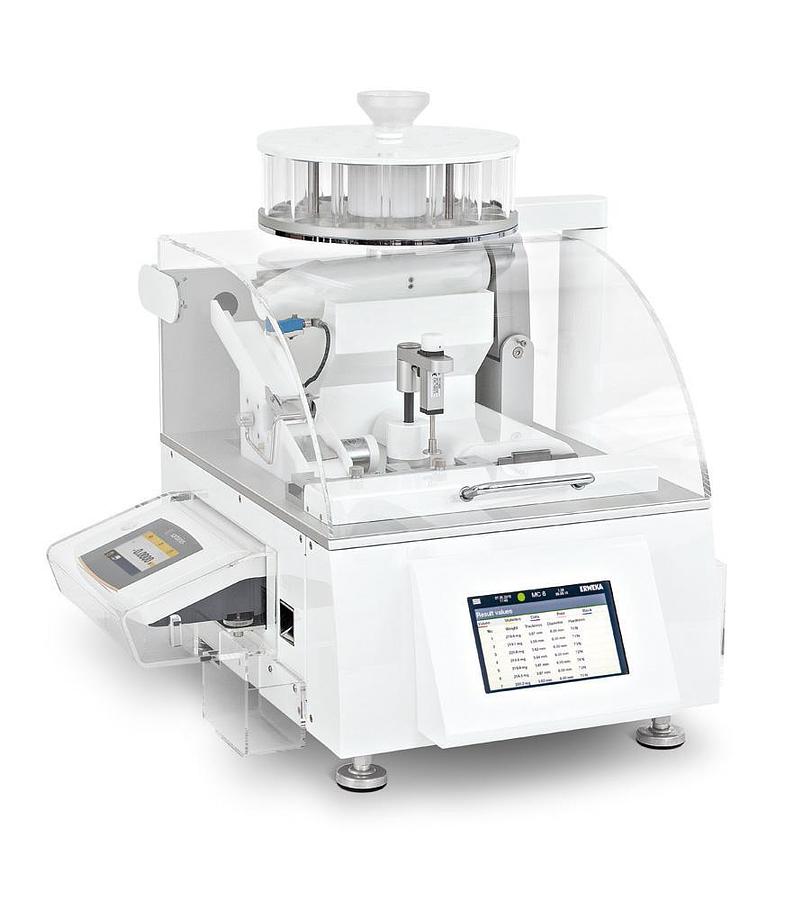
A tablet that is too soft may experience breakage during processing and transportation, leading to product loss and higher rejection rates.
A tablet that is too hard may take longer to break down, potentially affecting product performance.
Testing multiple parameters helps ensure consistent performance throughout the product lifecycle. The MultiCheck 6 handles various tablet shapes with fully automated, multi-parameter testing for efficient high-throughput quality control.
4. Drug Release Performance
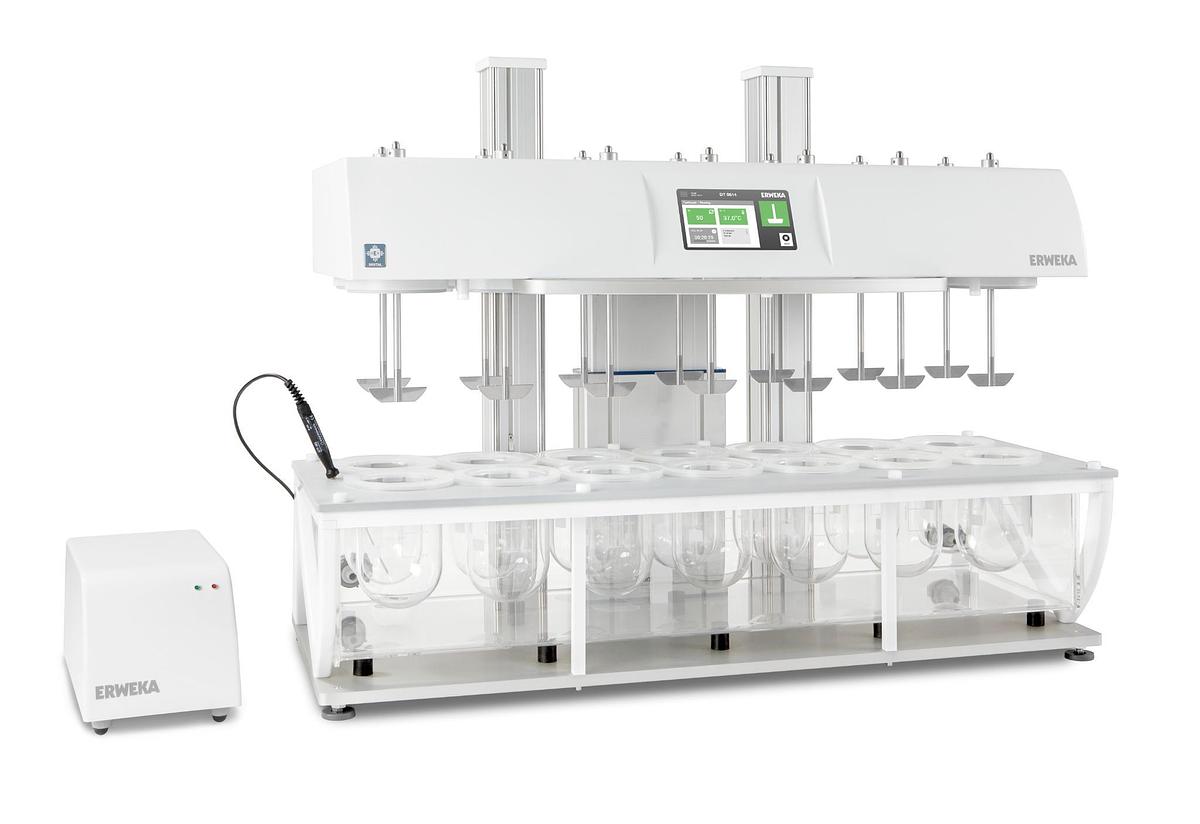
A poorly controlled dissolution profile can result in delayed or inconsistent drug release, affecting how quickly and effectively the active ingredient becomes available in the body.
Dissolution testing helps developers understand how a drug dissolves over time and confirms that the release profile matches the intended effect. The DT 9510 Series Dissolution Tester enables high-volume dissolution testing with up to 14 stations, ensuring efficient and USP/EP-compliant analysis of multiple samples simultaneously.
5. Packaging & Product Stability
The final step of development is often the first line of protection for the finished product. 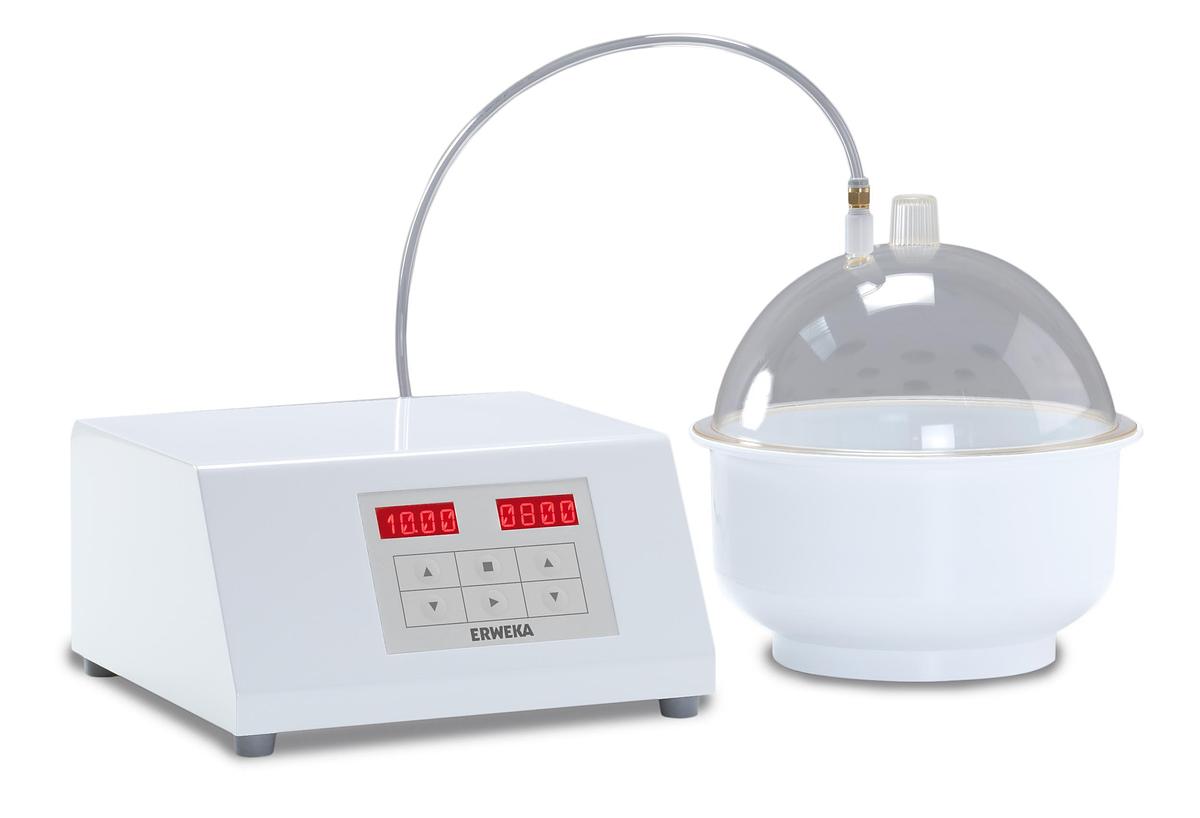
Packaging plays a critical role in protecting tablets from environmental factors such as moisture and oxygen, helping maintain product quality throughout storage and distribution.
The VDT/S Vacuum Leak Tester detects seal defects and leaks through precise vacuum and dye penetration testing.
Conclusion
A successful pharmaceutical product is built on more than dosage and efficacy alone.
Understanding key factors throughout development helps manufacturers optimize performance.
Looking for guidance on your pharmaceutical development workflow? Contact clee@ats-scientific.com or ATS Scientific Inc. to explore solutions tailored to your application.