
Introduction
One of the most common questions laboratories ask is:
"How long does microwave digestion take?"
The answer is that there is no universal digestion time that applies to every sample. Microwave digestion time depends on different factors.
Understanding what influences digestion time helps laboratories improve workflow efficiency while ensuring complete sample digestion for accurate elemental analysis.
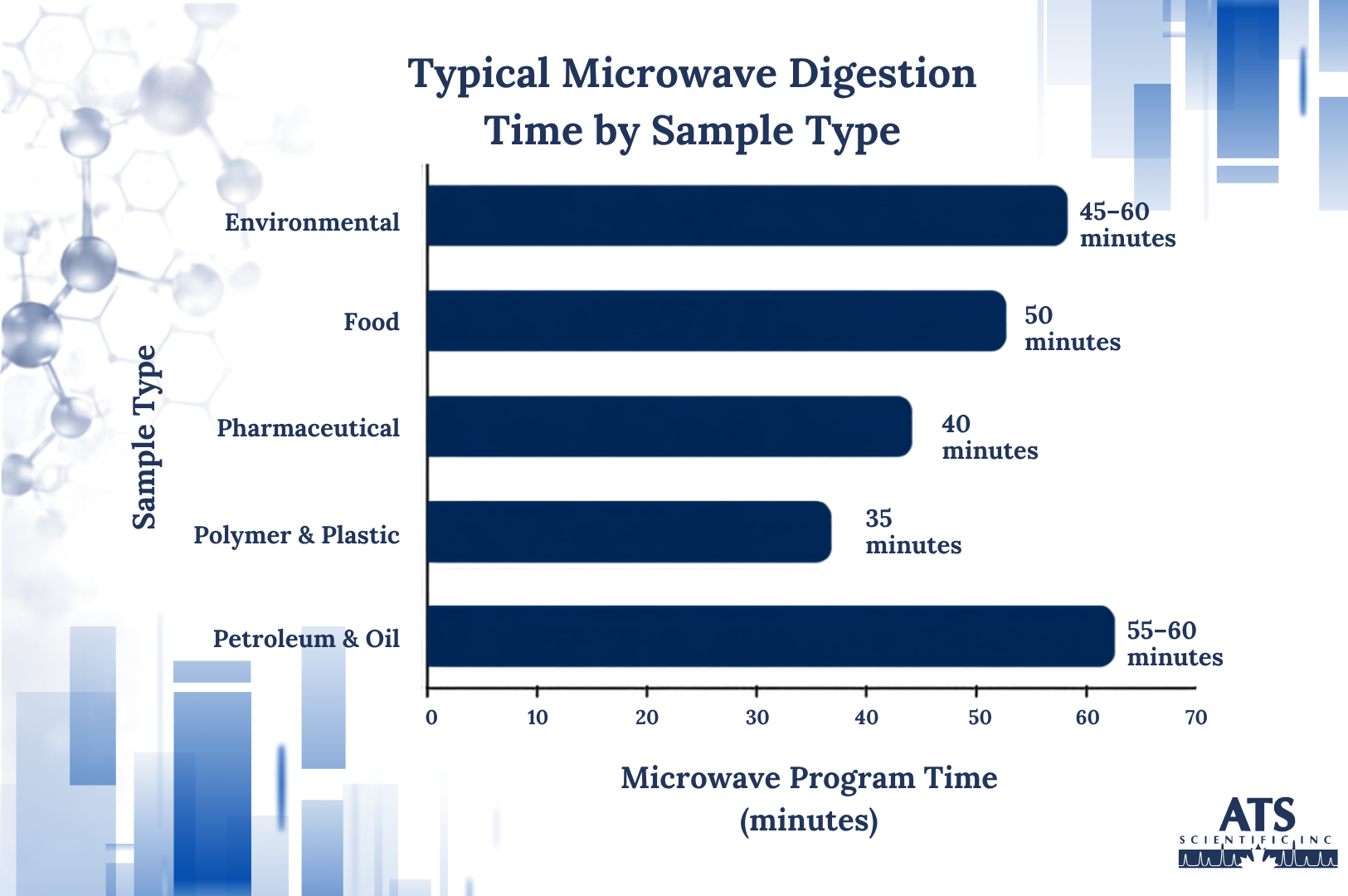
Typical Microwave Digestion Time by Sample Type
Environmental Samples
Examples: Soil, Sediment, Sludge, Wastewater
Typical Microwave Program Time: Approximately 45–60 minutes
Typical Digestion Conditions:
Environmental samples commonly use with nitric acid (HNO₃), hydrochloric acid (HCl), and hydrofluoric acid (HF) when silicate materials are present. Digestion temperatures typically reach 175–180°C to achieve complete mineral dissolution.
Food Samples
Examples: Meat, Dairy Products, Grains, Edible Oils, Infant Formula
Typical Microwave Program Time: Approximately 50 minutes
Typical Digestion Conditions:
Food samples generally contain high levels of organic material and are typically digested at 180–240°C. During digestion, these samples generate significant amounts of gas, resulting in higher operating pressures than many inorganic samples.
Pharmaceutical Samples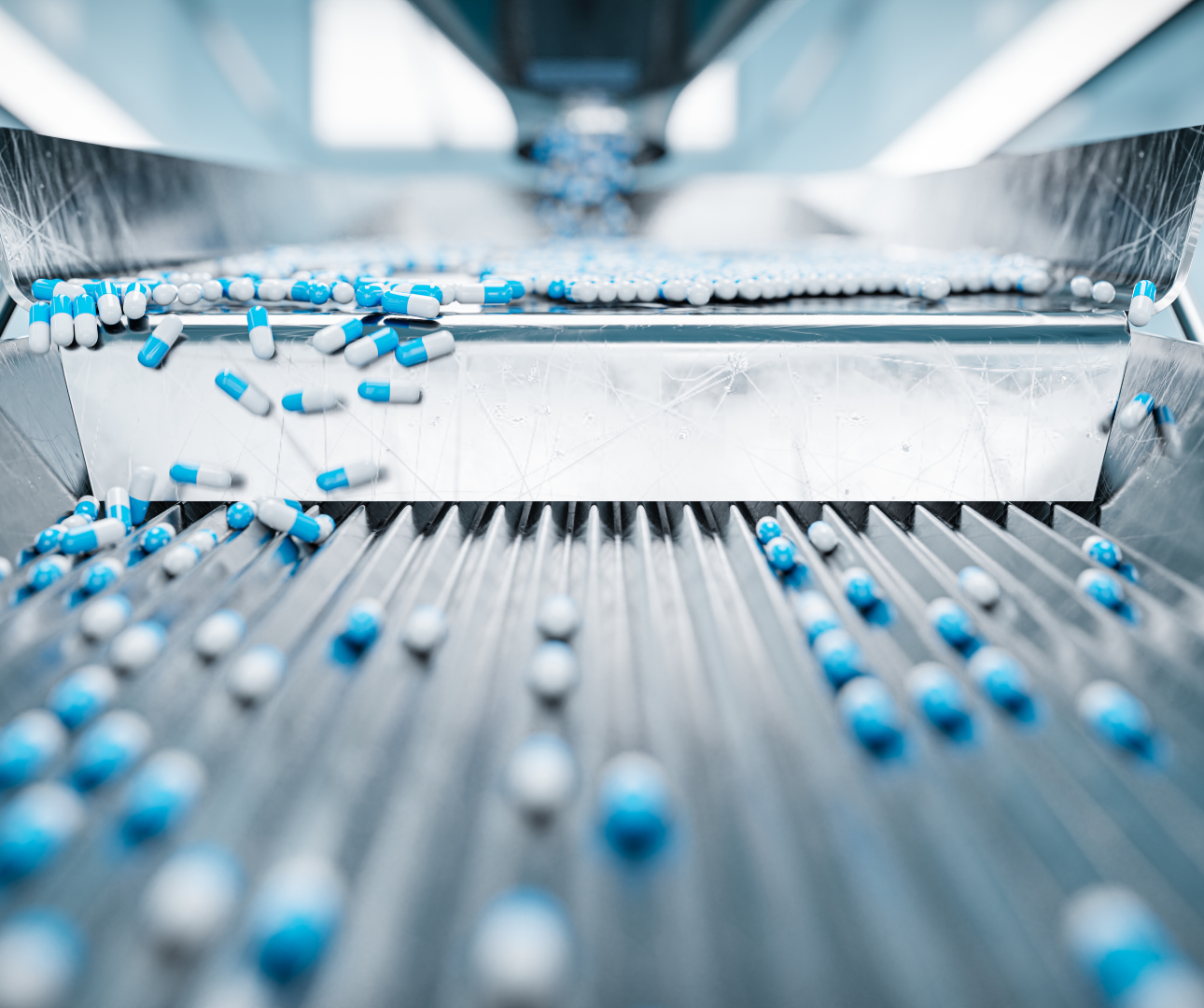
Examples: Tablets, Capsules, Active Pharmaceutical Ingredients (APIs), Excipients
Typical Microwave Program Time: Approximately 40 minutes
Typical Digestion Conditions:
Pharmaceutical digestion programs commonly heat samples to approximately 240°C to achieve complete digestion across a wide range of pharmaceutical formulations, including high-organic samples and whole gelatin capsules.
Polymer & Plastic Samples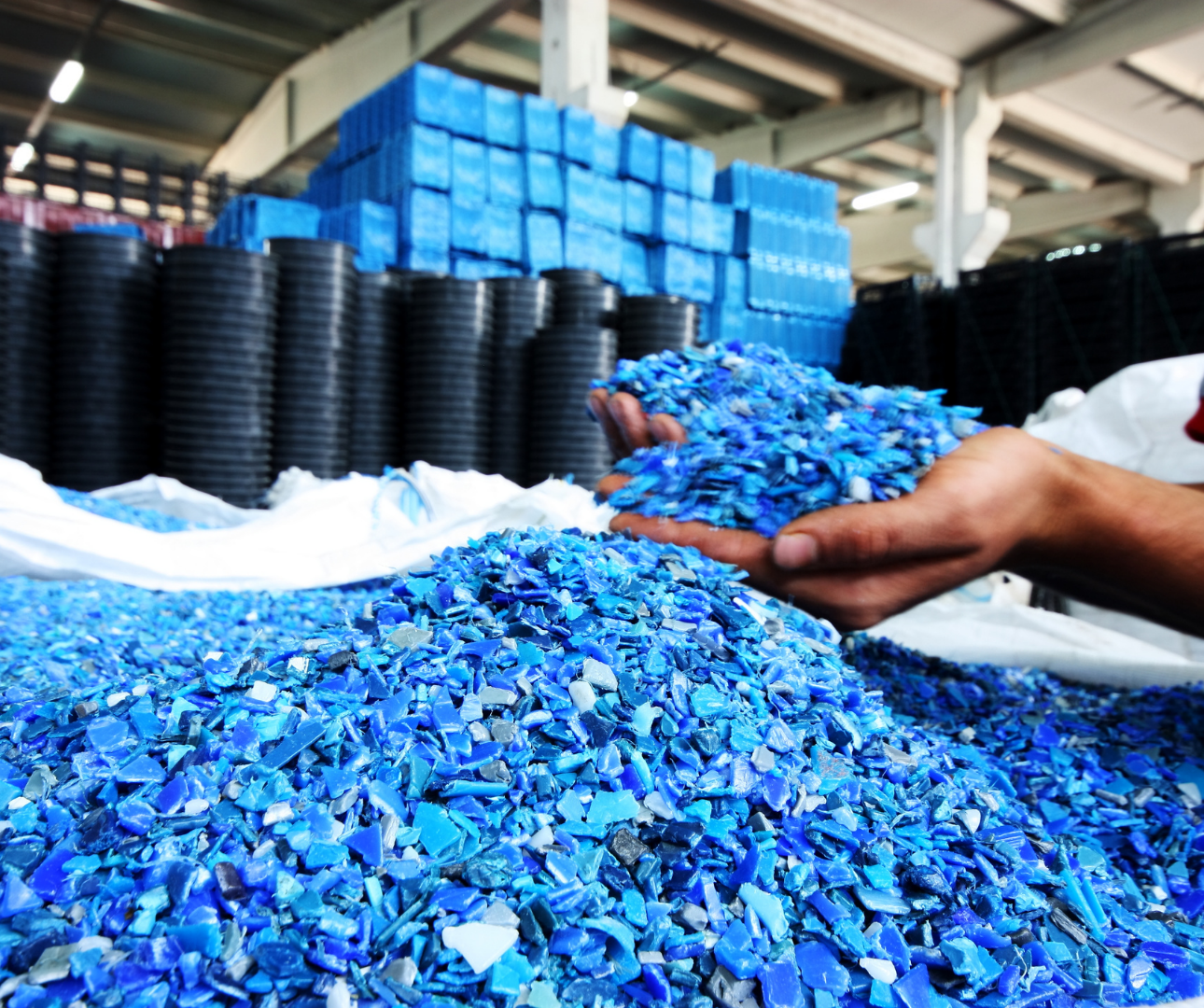
Examples: Plastics, Resins, Rubber, Specialty Polymers
Typical Microwave Program Time: Approximately 35 minutes
Typical Digestion Conditions:
Polymeric materials are chemically stable and often require digestion temperatures between 225–260°C. These materials can generate pressures exceeding 90 bar, making high-temperature, high-pressure microwave digestion systems well suited for these challenging matrices.
Petroleum & Oil Samples
Examples: Crude Oil, Heavy Oil, Refined Petroleum Products
Typical Microwave Program Time: Approximately 55–60 minutes
Typical Digestion Conditions:
Petroleum products contain large amounts of organic material and typically require digestion temperatures of around 260°C. The high organic content can generate pressures approaching 100 bar, requiring microwave digestion systems designed to operate safely under elevated temperature and pressure conditions.
Note: The microwave program times shown above are typical estimates. Actual digestion times may vary depending on sample mass, acid chemistry, digestion method, vessel type, and instrument configuration.
Why Digestion Time Varies
Although laboratories often categorize digestion methods by sample type, digestion time is actually determined by several key factors.
Sample Composition
The composition of the sample has a greater influence on digestion time than the sample category itself.
- Organic Samples
Examples: Food, Petroleum, Pharmaceuticals, Polymers
Organic materials contain large amounts of carbon that must be completely oxidized. As a result, they typically require higher digestion temperatures and generate higher pressures during digestion.
- Inorganic Samples
Examples: Soil, Rock, Minerals
Mineral matrices are chemically resistant and often require stronger acid mixtures to dissolve completely. Although they may operate at lower pressures than organic samples, they can still require longer or more aggressive digestion conditions.
Sample Matrix Complexity
Not all samples have the same level of complexity. Some matrices digest relatively easily, while others contain multiple components or chemically resistant materials that are more difficult to break down.
As sample matrix complexity increases, digestion conditions often need to be optimized to achieve complete sample decomposition.
Acid Selection
The acid mixture plays an important role in digestion efficiency.
Different sample matrices require different acid chemistries to dissolve efficiently. Selecting the appropriate acid mixture can improve digestion efficiency and help optimize digestion time.
Digestion Temperature
Increasing temperature generally accelerates chemical reactions during digestion.
However, higher temperature does not automatically result in shorter digestion times.
Many chemically resistant matrices simply require elevated temperatures to achieve complete digestion, regardless of the overall microwave program length.
Pressure
Pressure naturally increases as samples digest.
High-organic samples typically produce more gaseous reaction products, resulting in higher operating pressures than many inorganic samples.
Microwave digestion systems capable of safely operating at higher pressures are better suited for challenging organic and polymeric matrices.
Microwave Digestion Technology
In addition to the sample itself, the microwave digestion system also influences overall digestion efficiency.
Choosing the appropriate system depends on the types of samples your laboratory processes.
- Routine digestion of similar sample matrices: An ETHOS microwave digestion system is well suited for standardized workflows.
- Mixed sample matrices with a flexible workflow: ultraWAVE 2 eco allows different sample types to be processed within a simplified workflow.
- Maximum productivity, automation, and flexibility: ultraWAVE 3 is designed for laboratories processing a wide variety of challenging samples at higher throughput.
If you're comparing systems, see our Microwave Digestion System Buyer's Guide for a detailed overview of the available technologies and their ideal applications.
Frequently Asked Questions
Which samples typically take the longest to digest?
Polymeric materials are among the most challenging because they are chemically resistant and often require higher digestion temperatures and specialized acid mixtures.
Does increasing temperature always reduce digestion time?
No. Higher temperatures improve digestion efficiency, but complete digestion still depends on sample composition, acid chemistry, pressure, and the digestion method being used.
Can different sample types use the same digestion program?
Sometimes. Similar sample matrices can often share a digestion method, while significantly different matrices may require separate programs or microwave technologies designed for mixed-matrix digestion.
Conclusion
There is no universal microwave digestion time for every sample.
Instead, digestion time is primarily determined by sample composition, along with other factors.
Understanding these variables allows laboratories to optimize for elemental analysis.
References
- Milestone. Revolutionizing Elemental Analysis: A Comprehensive Guide to Microwave Digestion Technology. Rev. 01, 2024.
- Milestone. Microwave Digestion for Specialty Polymers: Utilizing Single Reaction Chamber (SRC) Technology for Trace Metals Analysis for Polymer Samples. Technical Note.
- Milestone Inc. Revolutionizing Sample Preparation with Single-Reaction Chamber Microwave Digestion. Spectroscopy Custom eBook, 2018.
Interested in the eBook? Leave your email at our Contact Us page , or contact CLee@ats-scientific.com to request a copy.