

Cement may appear to be nothing more than a fine gray powder, but its performance in concrete is governed by a complex interplay of physical and chemical properties that unfold across multiple scales. At the heart of cement science lie two critical pillars: microstructure and chemistry. Together, they determine strength development, long-term durability, and a material’s ability to meet stringent international standards. With modern analytical technologies, laboratories can now quantify these characteristics with remarkable precision – providing data that directly supports process optimization, quality control, and research innovation.
Developing a deeper understanding of cement microstructure requires accurate pore characterization. Likewise, ensuring that chemical composition remains within defined limits demands precise carbon and sulfur analysis. Advanced instruments from Microtrac and Eltra enable laboratories to evaluate both dimensions quickly, reliably, and with high reproducibility.
Pore Size Measurement with Microtrac: Unlocking Microstructural Insights
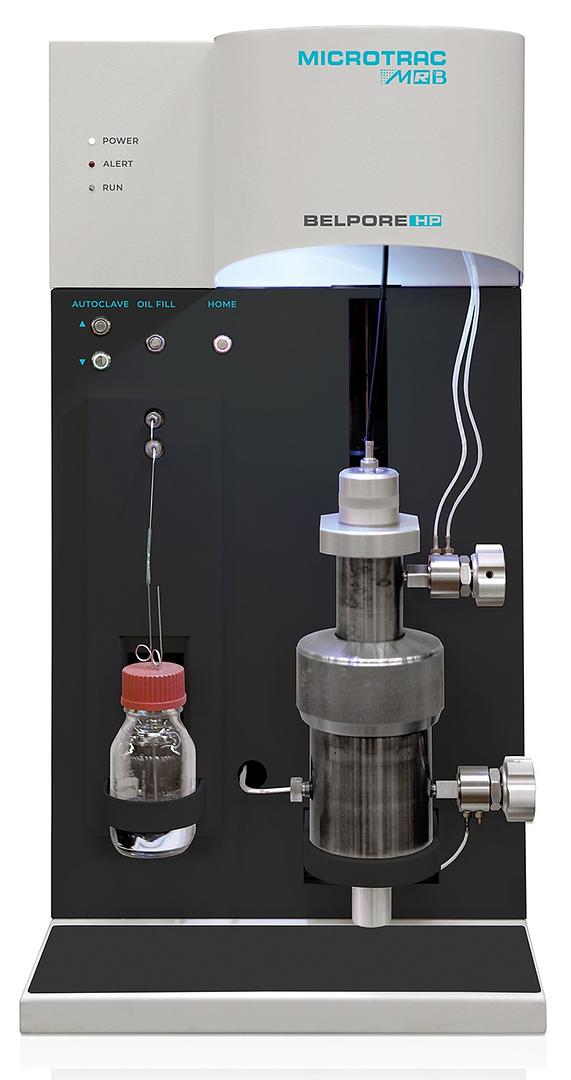
The pore system of cement and hardened concrete is a defining feature of its performance. Even small variations in pore size distribution can significantly affect permeability, compressive strength, freeze–thaw resistance, and susceptibility to chemical degradation. As cement hydrates, the conversion of water and clinker minerals into calcium-silicate-hydrate (C-S-H) gel forms a network of capillary pores, microcracks, and gel pores. Characterizing this network is essential for predicting how the material will behave once placed in service.
Microtrac’s advanced porosimetry solutions – most notably BELPORE mercury intrusion porosimetry (MIP) and gas adsorption techniques – give laboratories the ability to measure the full pore size distribution from nanometers to hundreds of micrometers. These complementary methods allow users to capture both fine gel pores and larger capillary structures, creating a holistic picture of the sample’s internal architecture.
With these systems, you can:
- Quantify pore size ranges and distribution, capturing subtle differences caused by hydration kinetics, additives, or material origins.
- Distinguish open from closed porosity, providing insights into transport properties such as permeability and diffusivity.
- Assess the influence of admixtures, pozzolans, or supplementary cementitious materials on pore refinement.
- Study curing conditions, moisture exposure, and aging behavior to optimize mix designs for specific performance requirements.
This level of detail enables engineers to better predict real-world performance, whether designing high-strength structural concrete, freeze-resistant formulations for cold climates, or specialized mortars for construction and repair. By tying pore structure directly to durability indicators, Microtrac porosimetry becomes an indispensable tool for modern cement and concrete analysis.
Carbon and Sulfur Determination with Eltra: Ensuring Chemical Compliance
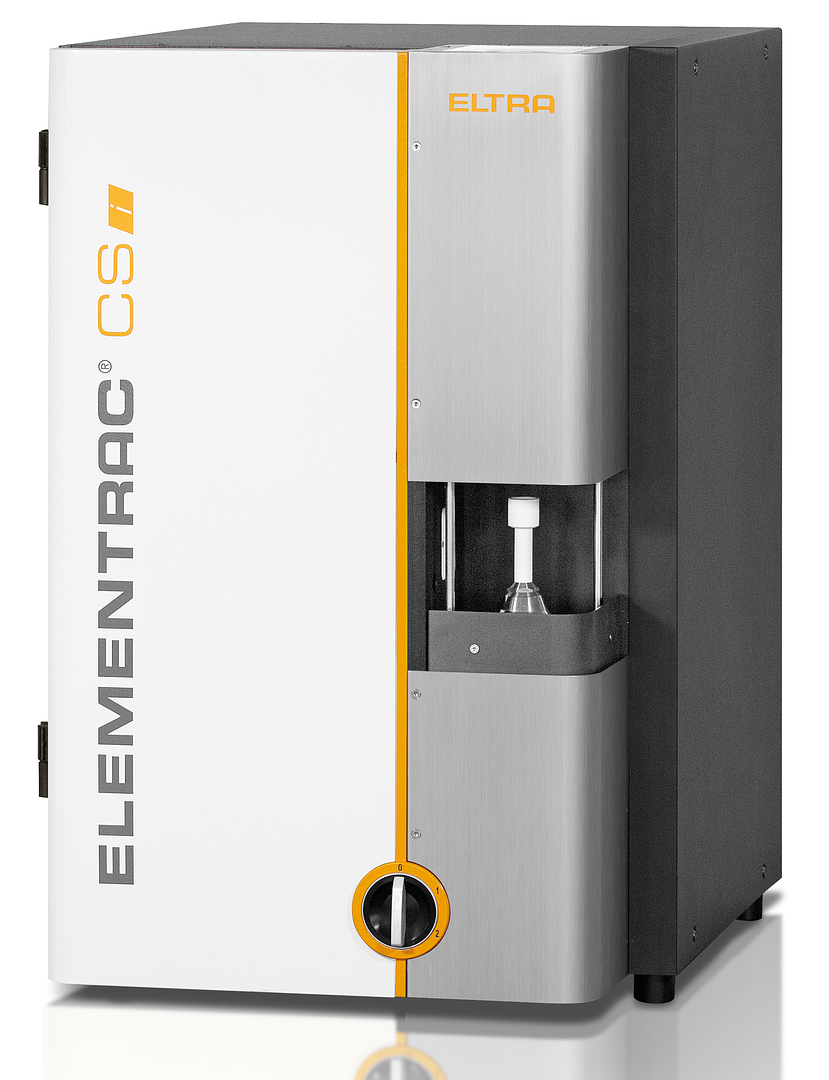
While pore structure reveals the physical backbone of cement performance, chemical composition dictates many of its functional and regulatory characteristics. Among the most important chemical parameters are carbon (C) and sulfur (S). Both have significant implications for clinker quality, raw material selection, energy efficiency, and environmental compliance.
Sulfur, for instance, originates from fuels, raw materials, and process gases. Excess sulfur can contribute to expansion, delayed ettringite formation, and reduced structural integrity. Carbon levels, on the other hand, help evaluate raw meal composition, calcination efficiency, and the presence of unburnt carbon or carbonates.
The Eltra ELEMENTRAC CS-i induction furnace analyzer is engineered specifically for high-precision C/S measurements in cement and clinker. By combusting the sample in a high-energy induction furnace and quantifying released gases with NDIR (non-dispersive infrared) detectors, the system provides:
- Accurate ppm-level detection, allowing precise monitoring of even trace components.
- Rapid analysis times, ideal for fast-paced production laboratories.
- Automated calibration using certified reference materials to ensure long-term stability.
- Excellent reproducibility, minimizing variability between operators and batches.
The ELEMENTRAC CS-i fully complies with ASTM, EN, and ISO standards, making it suitable for both routine QC and advanced research applications. Its user-friendly interface and robust design help cement producers maintain consistent product quality while meeting regulatory and sustainability requirements.
A Complete Workflow for Cement Quality
When Microtrac pore size analysis and Eltra carbon/sulfur determination are combined, laboratories gain a comprehensive and multidimensional view of cement behavior:
- Microstructure: Detailed pore distribution reveals how hydration, additives, and curing influence mechanical properties and durability.
- Chemistry: Accurate C/S quantification ensures compliance, process control, and long-term material stability.
Together, these techniques support manufacturers, research institutions, and quality control teams in making data-driven decisions that improve performance, reduce waste, and enhance product reliability. This integrated analytical workflow provides the confidence needed to design durable concrete structures and maintain consistent cement quality across all production batches.